
Press on Water for the Future
Gugs Mhlungu, 2026. The Nature Diary: Water for the Future on rebuilding the Jukskei river and the city. 702 Talk Radio, June 7.
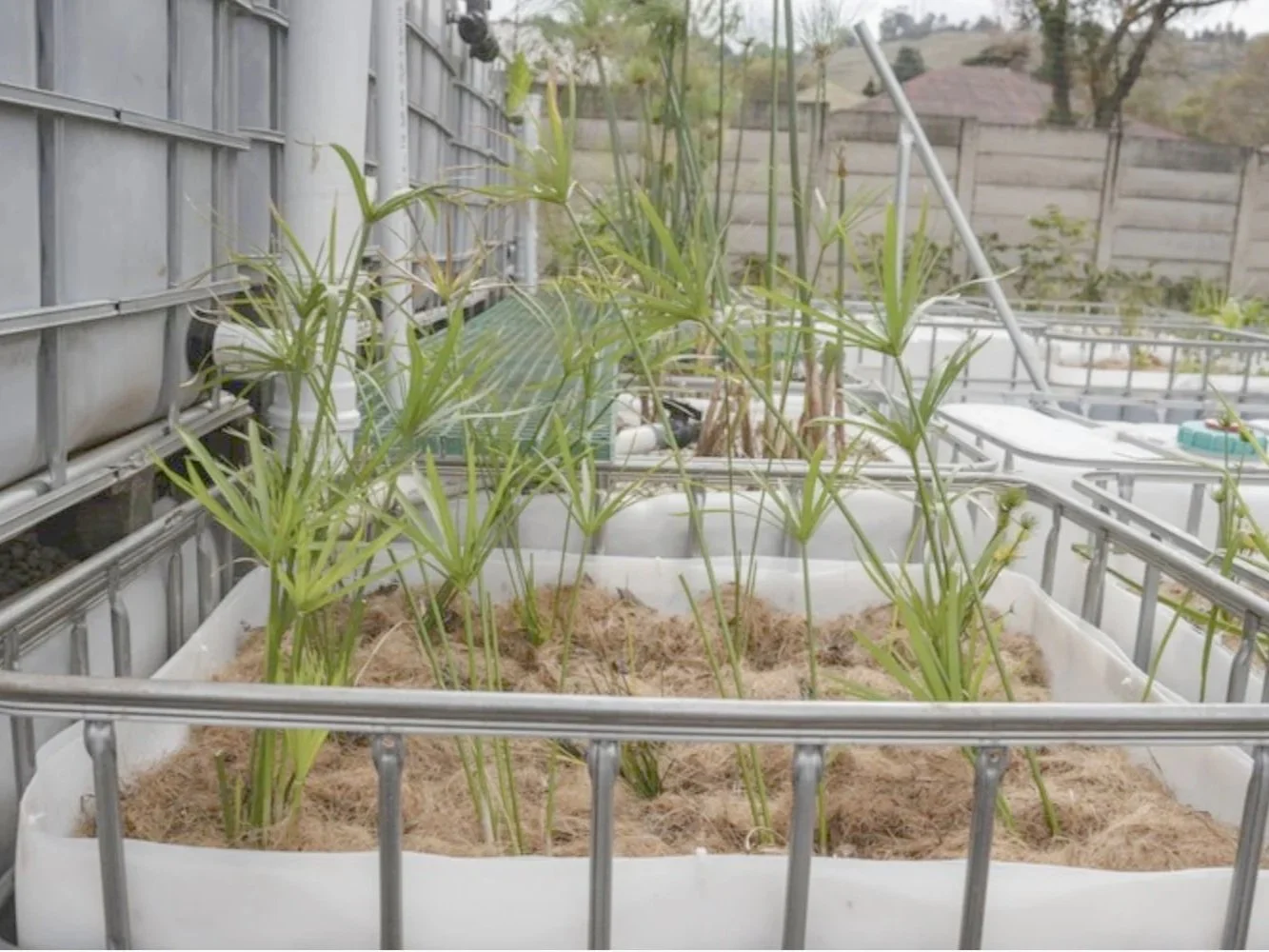
Ihsaan Haffajee, 2026. Project uses plants to clean the Jukskei River. GroundUp, May 5.
In your pocket, 2025. Rejuvenating the Jukskei with Water for the Future. Online publication, June 2025
James Reynolds, 2023. How do we Solve Water Insecurity? | Making WATER Change | EP 2 - Romy and the River. Making Change SA (Youtube), Nov 30.
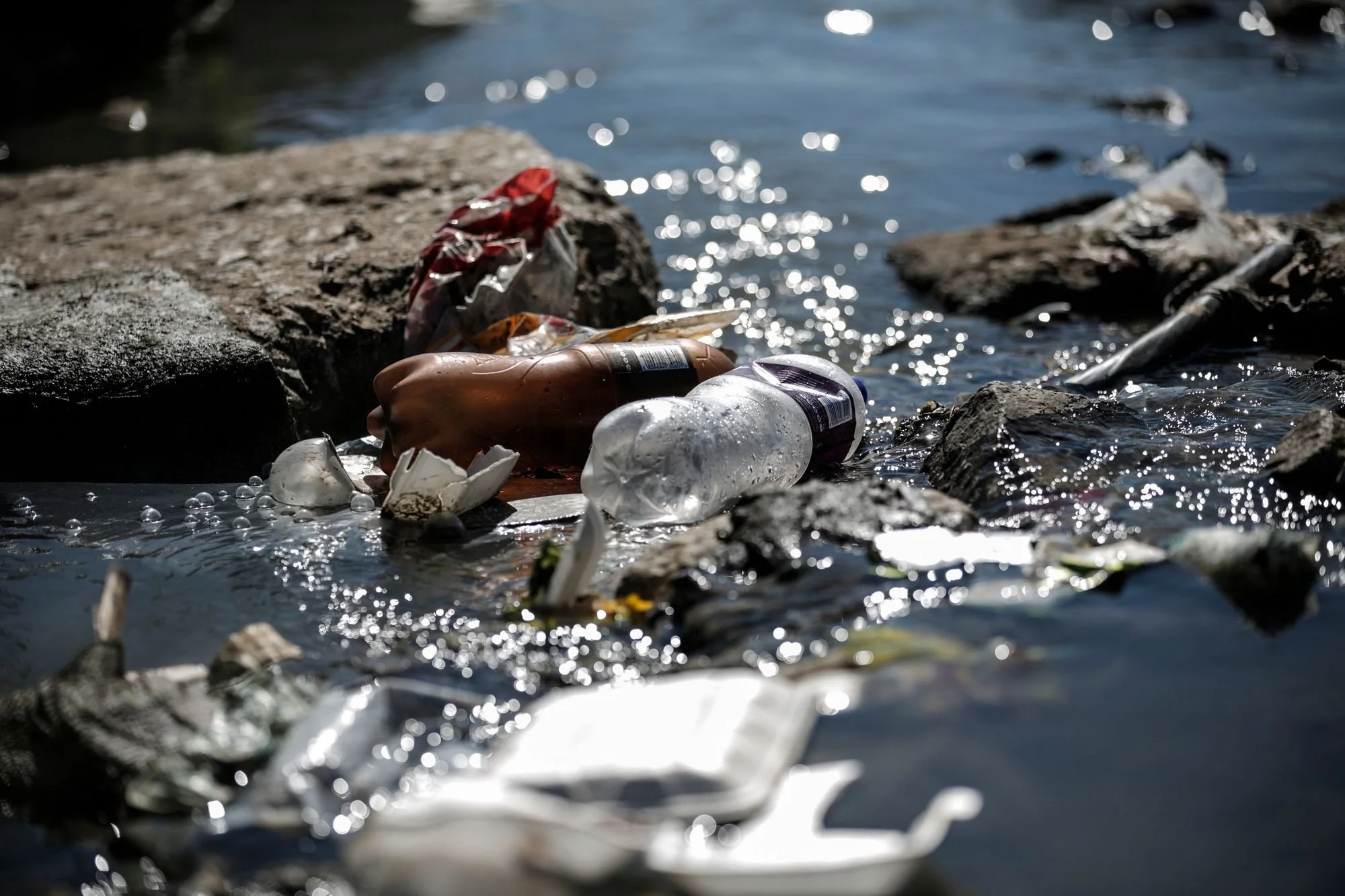
Joe Walsh, 2021. How Johannesburg’s Dirty Little River Could Help Ease Water Woes. Bloomberg Citylab + Green, Aug 20.
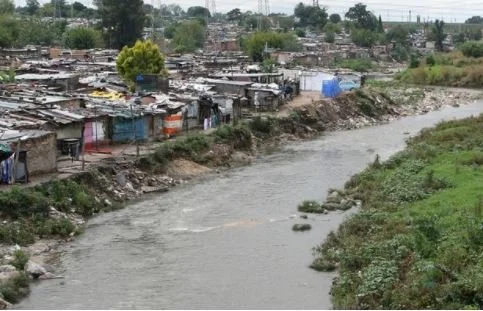
Kim Harrisberg, 2021. Female duo fight to turn polluted Jukskei to a green corridor. Business Day, Feb 18.
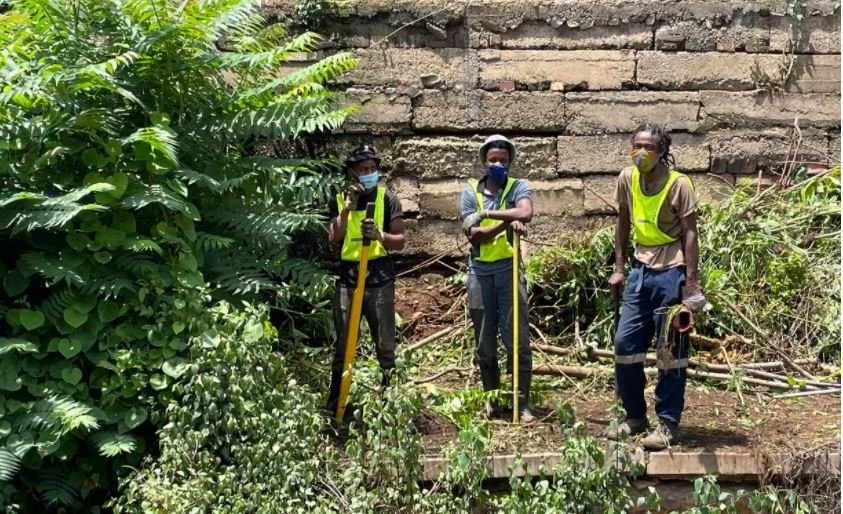
Kim Harrisberg, 2021. From sewage to oasis: Female duo create Johannesburg green corridor. Thomson Reuters Foundation News, Feb 18.
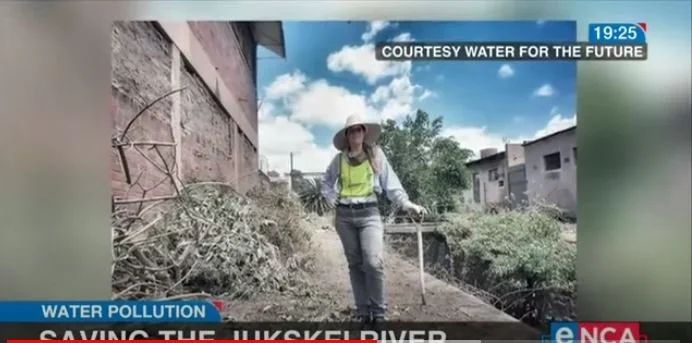
Sally Burdett, 2021. Saving the Juskei River. Two women have started a community project to revive the Jukskei and create a green corridor through the city. Youtube, eNCA, Feb 26.
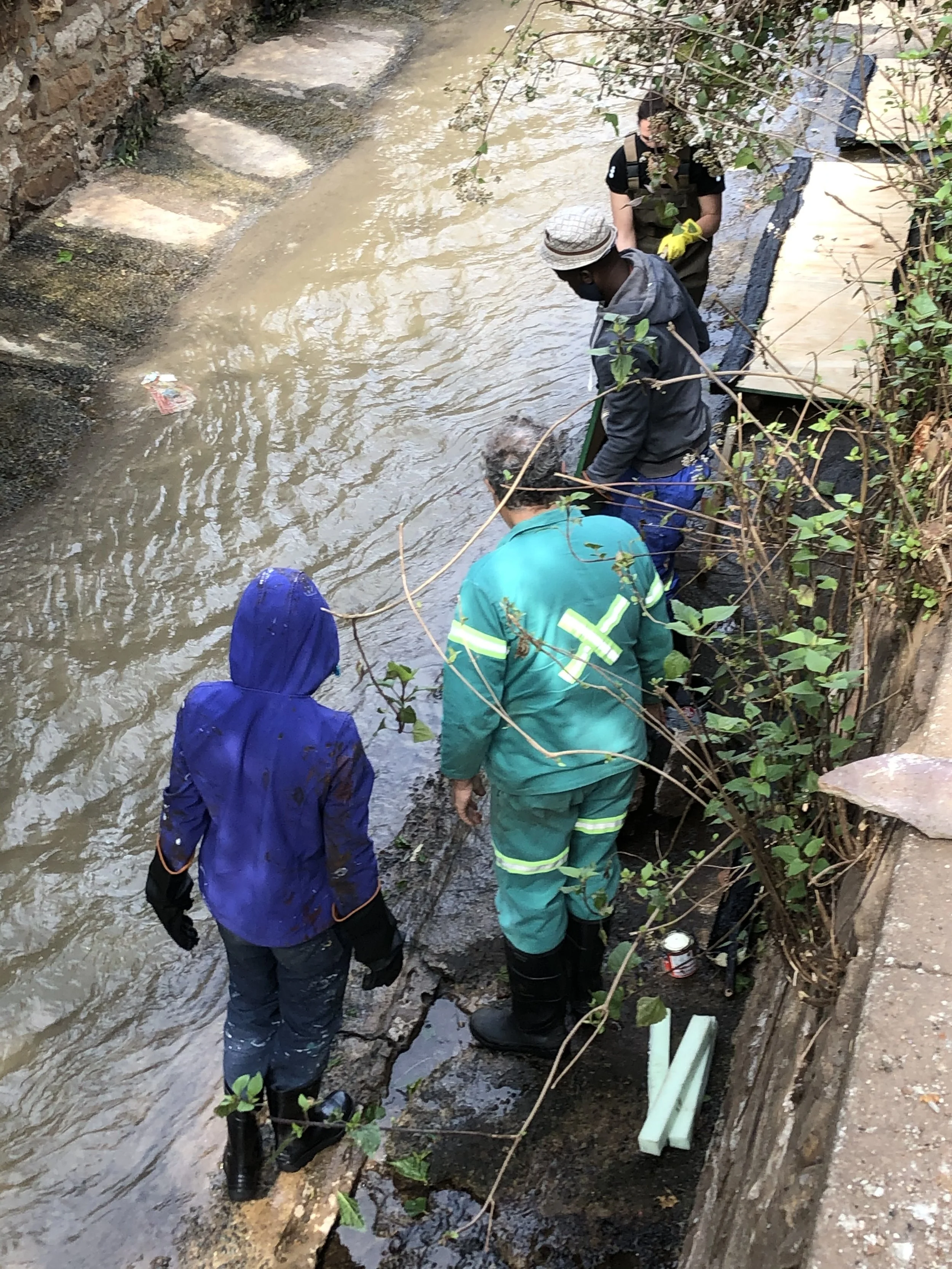
The MechChem Magazine, 2021. Jukskei River clean up project. MechChem Africa, May-Jun.
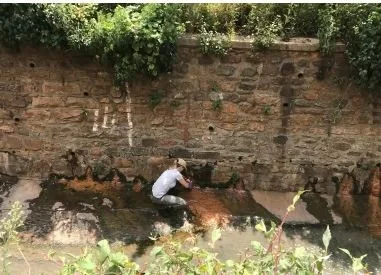
EngineerIT, 2021. Engineers and scientists support Jukskei River clean-up project. EngineerIT Article, Apr 1.
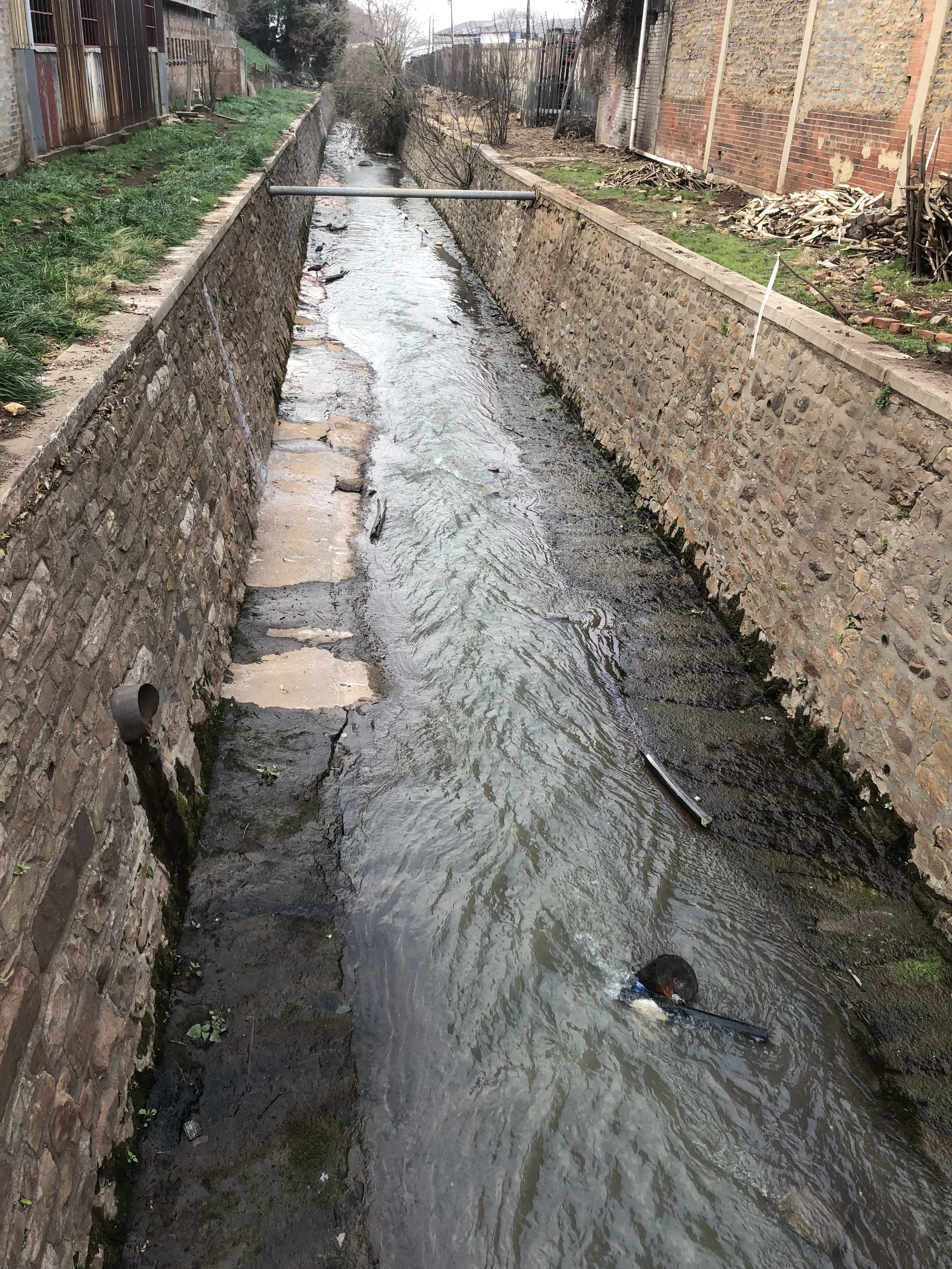
Simon Lorentz, 2021. SRK Engineers, Scientists Support Jukskei River Clean-Up Project. SRK Consulting, March.
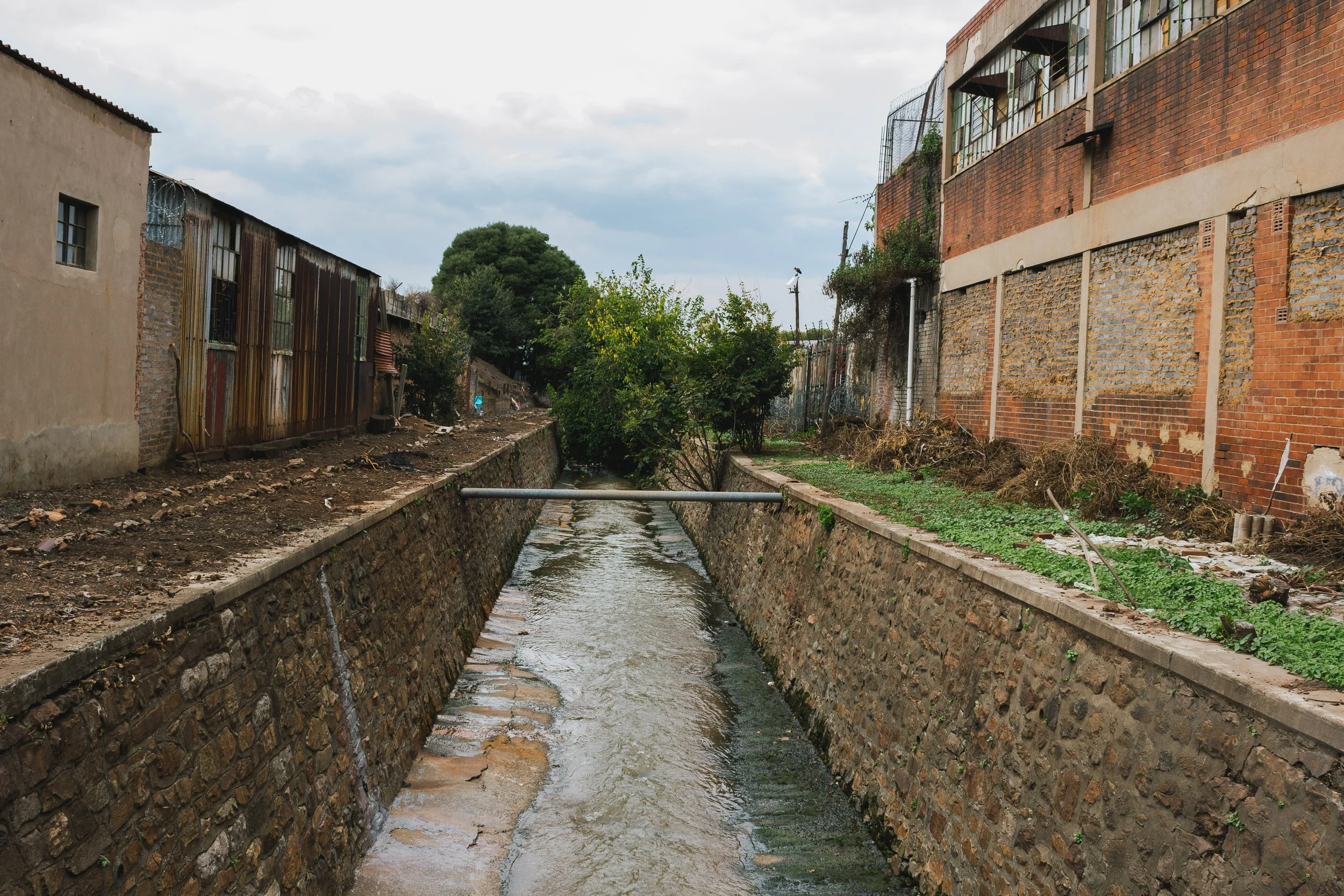
Megan van Wyngaardt, 2021. SRK engineers, scientists support Jukskei river clean-up project. My Press Portal, Mar 30.
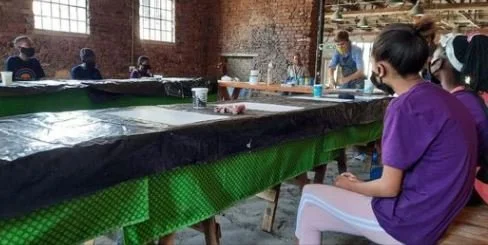
Facebook, 2021. #FlashbackFriday. Boys & Girls Clubs of South Africa, Mar 26.
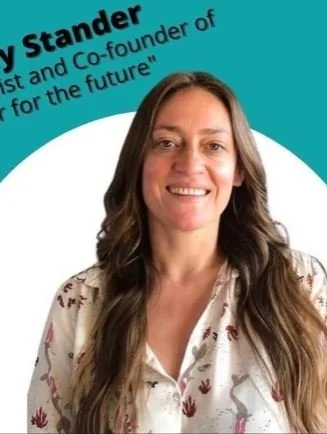
Instagram, 2021. Purposepion. The Change Collective Africa, Mar 23.
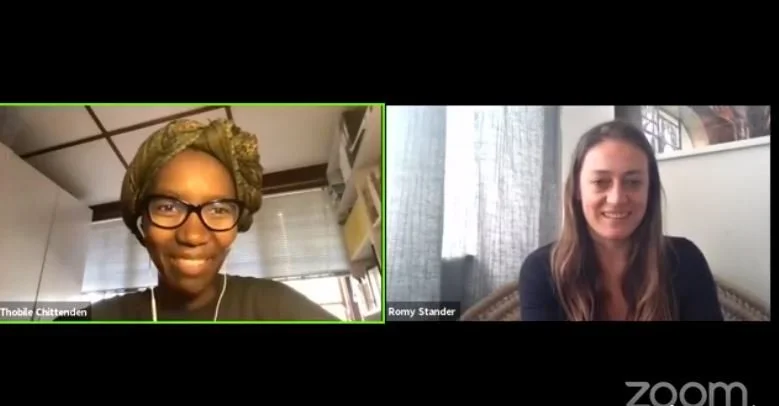
Facebook, 2021. #WorldWaterDay2021 Fixing the Jukskei River in Johannesburg. American Corner Makers Valley, Mar 22.
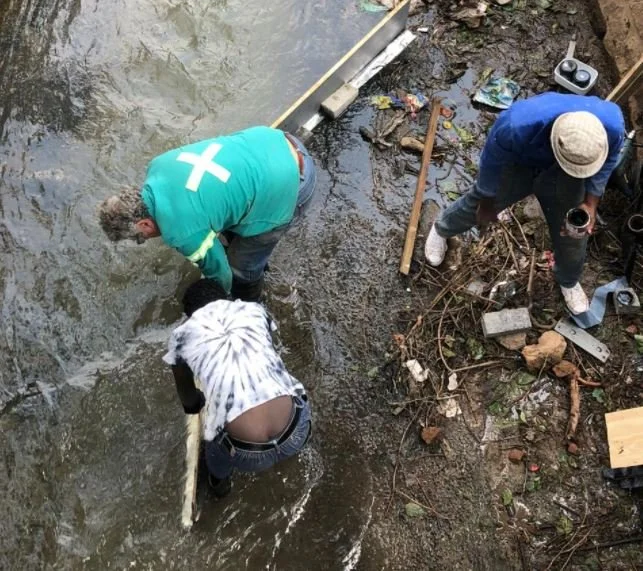
Brent Lindeque, 2021. Scientists and Engineers Join Jukskei River Clean Up Project. GoodThingsGuy, Mar 31.
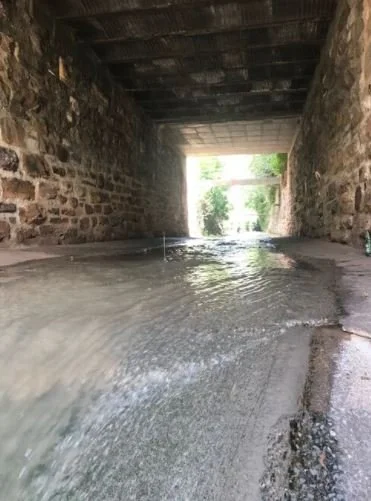
Borehole Water Journal Online, 2021. SRK engineers, scientists support Jukskei river clean-up project. Borehole Water Association of Southern Africa.
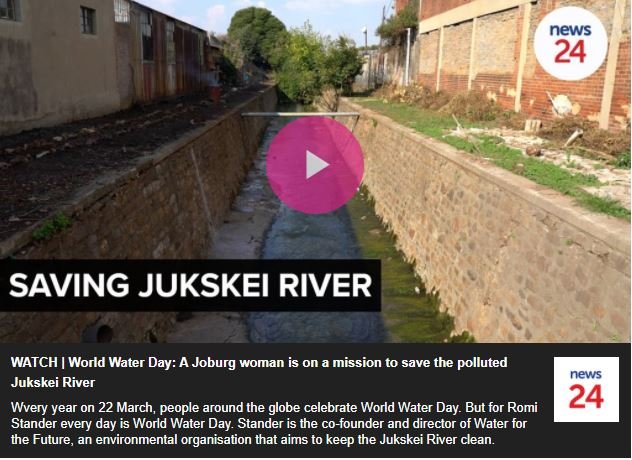
Nomvelo Chalumbira, 2021. World Water Day: A Joburg woman is on a mission to save the polluted Jukskei River. News24, Mar 22.
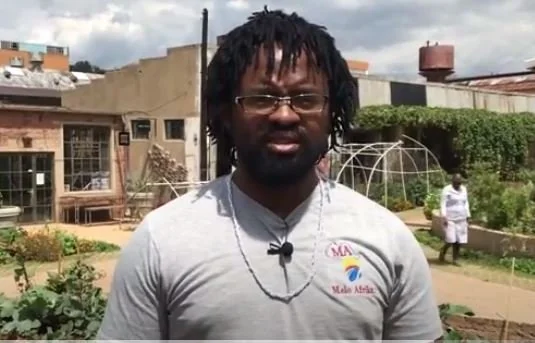
Youtube video, 2021. Romy Stander | Restores the Jukskei River, JHB's Longest | #CalledToServe. Paradoxmedia, May 14.
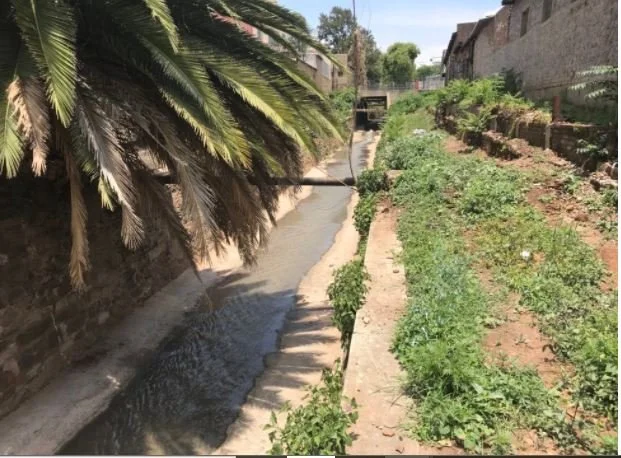
Nombulelo Manyana, 2021. SRK engineers, scientists support the Jukskei river clean-up project. News, Press Releases, Water, Water pollution, Water treatment. Infrastructure News, Mar 30.
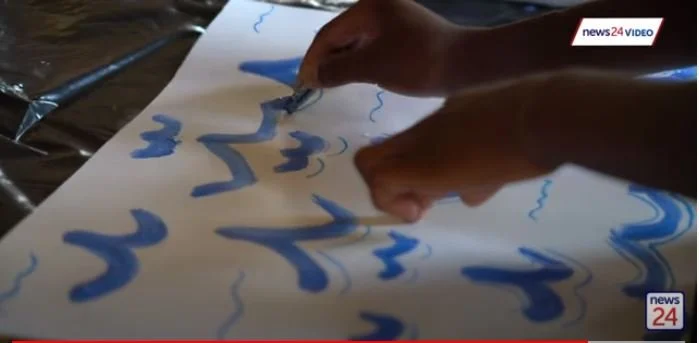
Youtube, 2021. World Water Day: A Joburg woman is on a mission to save the polluted Jukskei River. News24Video, Mar 22.
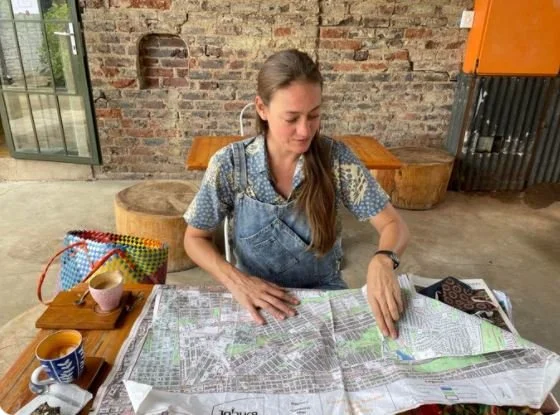
Twitter, 2021. #LocalNatureHeroes: Conservationist Romy Stander and artist Hannelie Coetzee are tackling pollution in the Jukskei River. WWF South Africa, Mar 18.
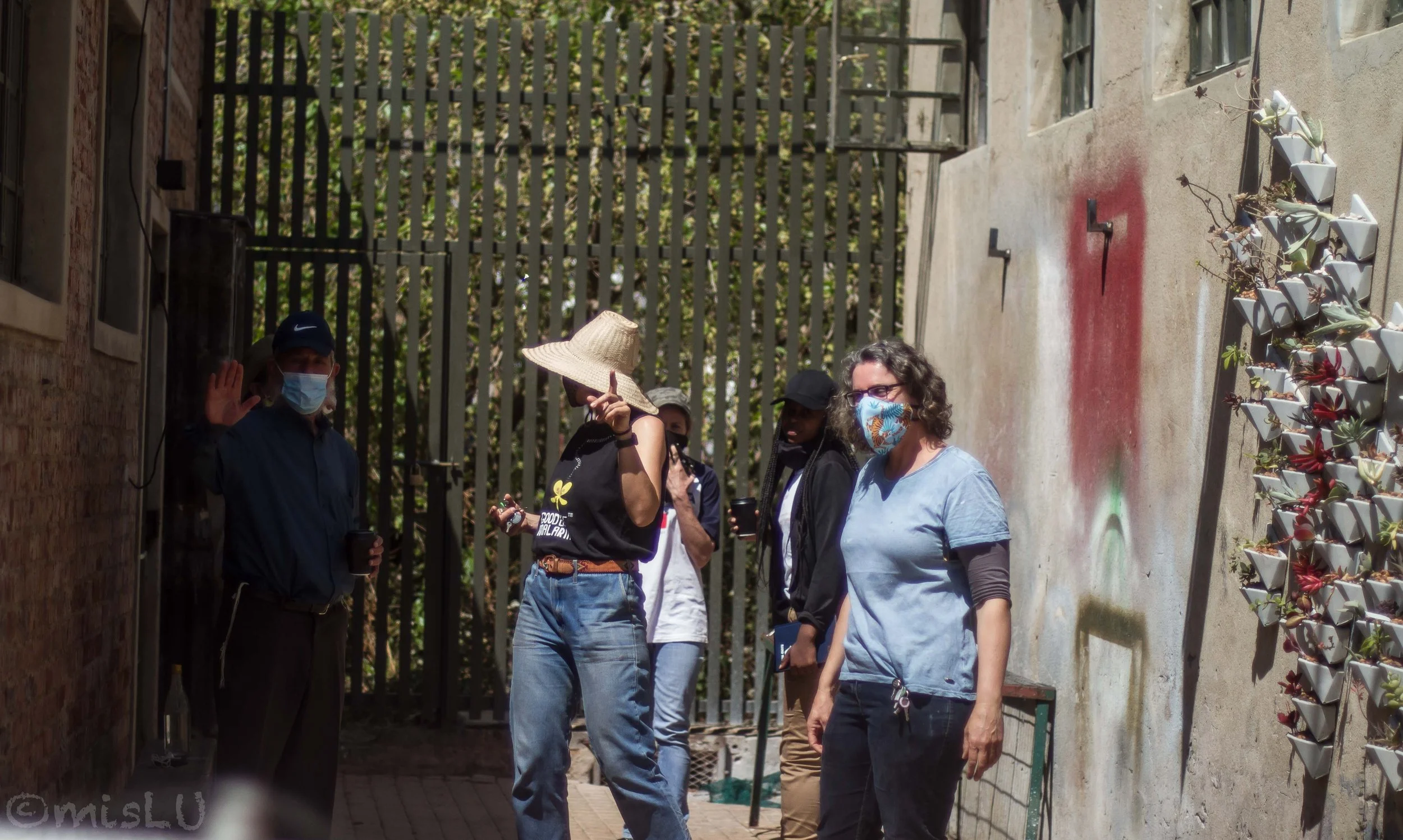
Kim Harrisberg, 2021. Two Women Create Jobs and Eco-Art to Save Polluted River. Twib, Mar 12.
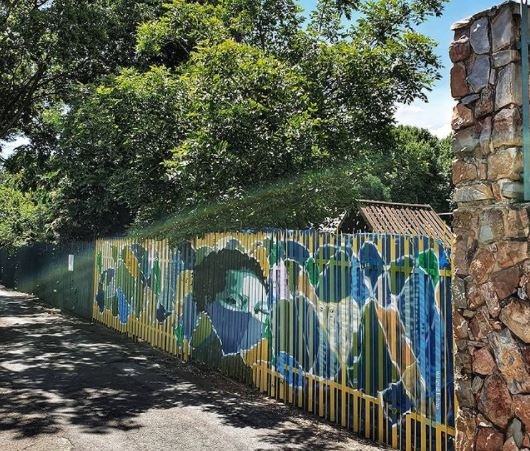
Kim Harrisberg, 2021. These 2 Pioneering Women Are Transforming a Polluted River in South Africa. Global Citizen, Feb 26.
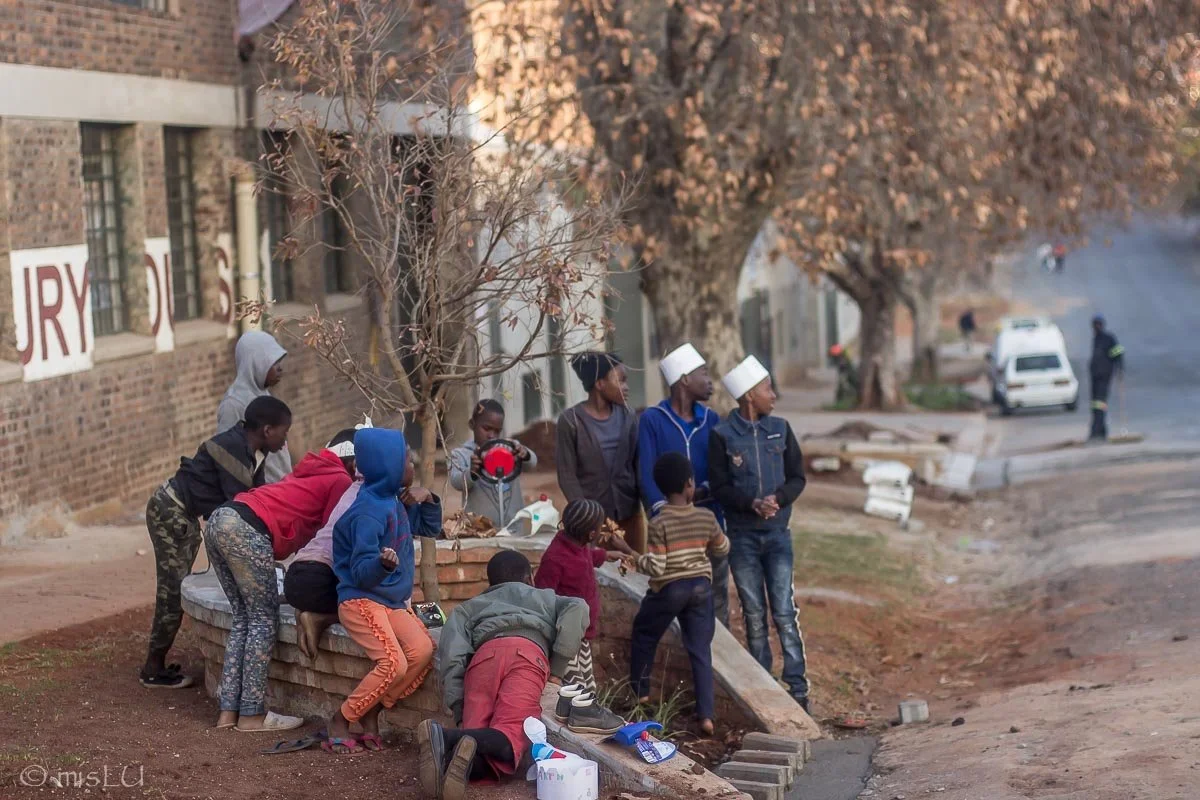
Kim Harrisberg, 2021. From sewage to oasis: Female duo create Johannesburg green corridor. Reuters, Feb 18.
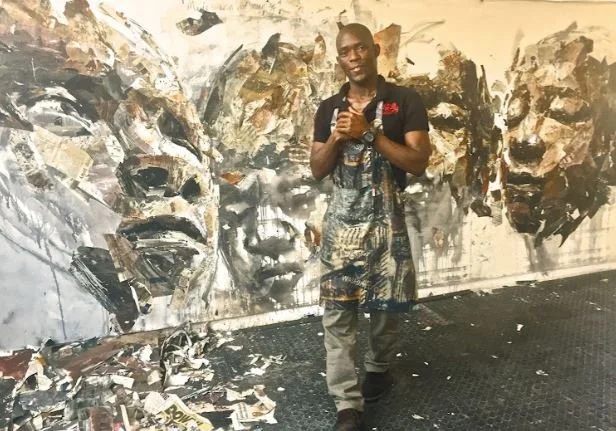
Ted Botha, 2018. THE CRAFTING OF VICTORIA YARDS, JOBURG'S NEW CREATIVE SPACE IN LORENTZVILLE. Business Day Wanted Online, Feb 14.
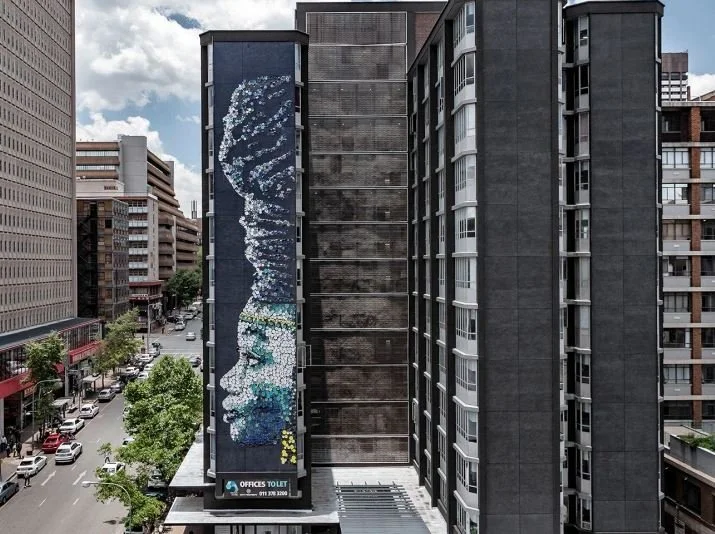
Ufrieda Ho, 2020. Hannelie Coetzee: When art, science and action come together. Daily Maverick, Oct 8.
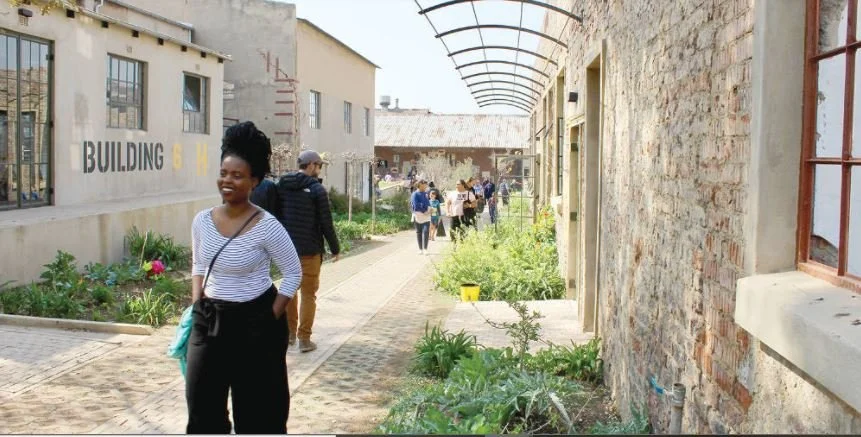
Catherine Black, 2019. THE WHOLE NINE YARDS. Your Neighbourhood Online.